Liquid Cooling vs Air Cooling: How to Decide
Choose air cooling for lower-power, cost-sensitive, or simpler systems; choose liquid (direct-to-chip) cooling for high heat flux, high rack density, or acoustic/space limits. ToneCooling Texas supplies both, so the recommendation follows your thermal needs, not a product line.
- 2D or 3D drawings
- Heat load and heat-source map
- Coolant, flow rate, and pressure-drop limit
- Envelope, mounting, and port layout
- Material and joining preference
- Prototype quantity and annual volume
There is no universal winner — the crossover depends on heat flux, density, ambient, and total cost. ToneCooling makes both and can model either.
When air wins, and when liquid wins
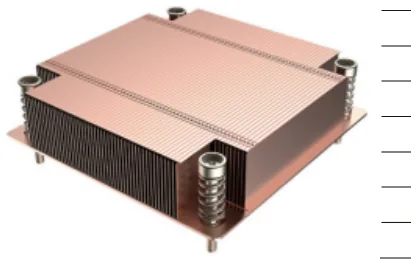
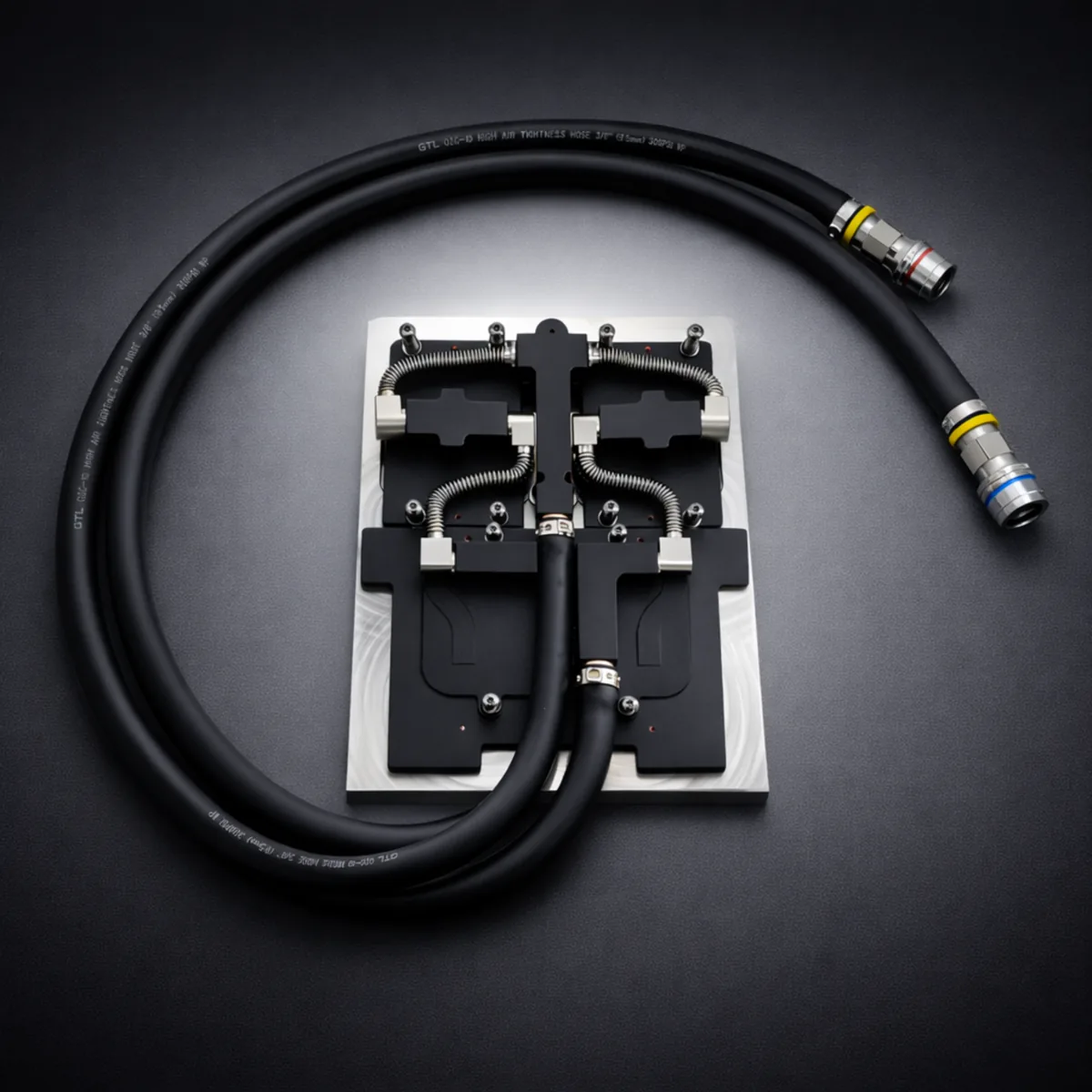
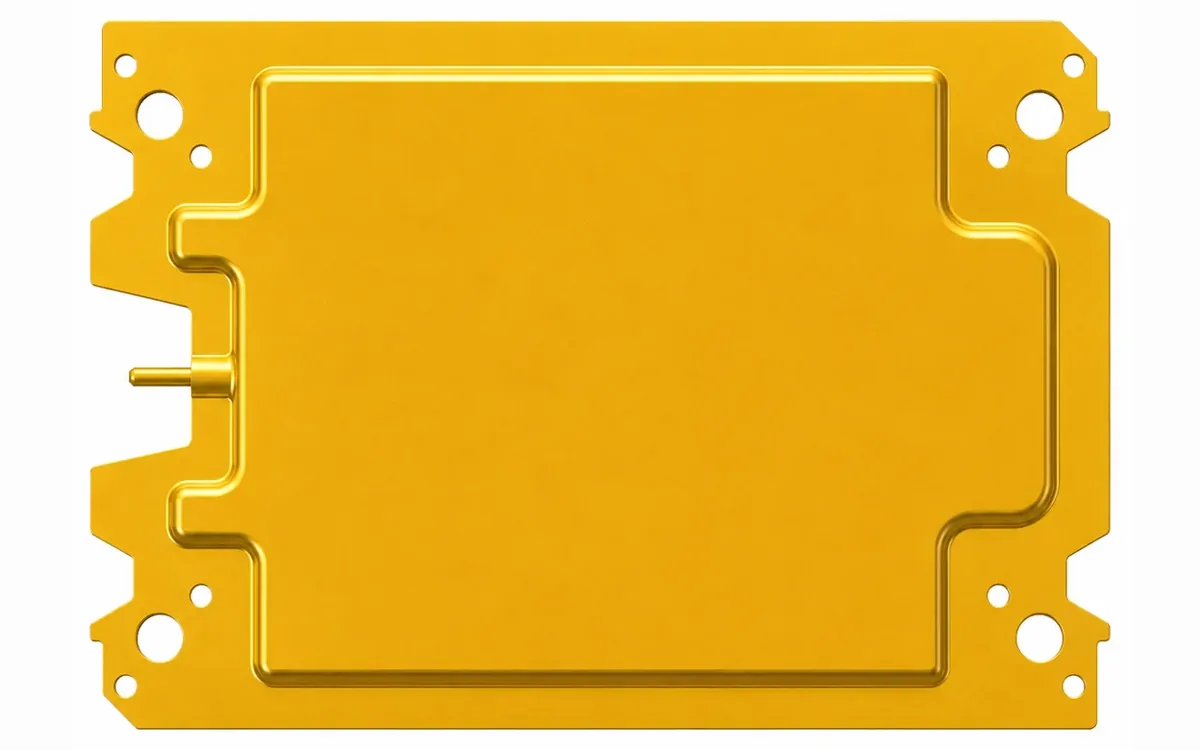
Air cooling (heat sinks, heat-pipe coolers, vapor chambers) is simpler, lower cost, and easier to service — ideal for moderate TDPs and lower rack densities. Liquid cooling (direct-to-chip cold plates) wins as heat flux and rack density climb: GB200/GB300-class accelerators and 80-120 kW+ racks generally require direct-to-chip liquid cooling that air cannot match in the same space.
Because ToneCooling Texas supplies both air coolers and liquid cold plates, our recommendation follows your heat flux, density, ambient, and TCO — not a single product line. We can model either route with CFD.
Related products & pages
Explore related cold plate products and applications.
Ready to discuss your liquid cooling project?
An engineer reviews every RFQ and replies by email with next steps. Send drawings, specs, or a project description.
Common questions from US engineering & procurement teams
Liquid or air cooling — which is better?
It depends on heat flux and rack density. Air suits moderate power; liquid (direct-to-chip) suits high heat flux and high-density racks.
When must I use liquid cooling?
Generally for GB200/GB300-class accelerators and high-density racks (80-120 kW+) where air cannot remove the heat in the available space.
Does ToneCooling make both?
Yes — air coolers, heat sinks, and vapor chambers, plus direct-to-chip liquid cold plates and systems.
Can you help me decide?
Yes — send your heat load, density, and constraints and we will model the options with CFD.