Cold Plate Design for Manufacturing (DFM) Guide
Good cold plate DFM balances thermal performance with manufacturability: channel geometry suited to the joining process, adequate wall thickness for pressure, sensible port placement, and a validation plan. ToneCooling provides DFM review with every RFQ.
- 2D or 3D drawings
- Heat load and heat-source map
- Coolant, flow rate, and pressure-drop limit
- Envelope, mounting, and port layout
- Material and joining preference
- Prototype quantity and annual volume
DFM done early avoids redesign loops. The right channel and joining choice depends on heat flux, pressure, material, and volume.
Key DFM principles for liquid cold plates
Effective DFM aligns the design with the manufacturing route: skived fin and vacuum brazing for high heat flux; FSW and tube-embedded for robust, leak-tight aluminum plates; CNC for single-piece prototypes. Wall thickness must meet the pressure rating; port location and size must suit the loop and QDC interface; fin pitch and channel layout must balance thermal performance against pressure drop.
ToneCooling Texas provides a DFM review with every RFQ, validated by CFD, so issues are caught before tooling. This shortens lead time and lowers TCO.
Related products & pages
Explore related cold plate products and applications.
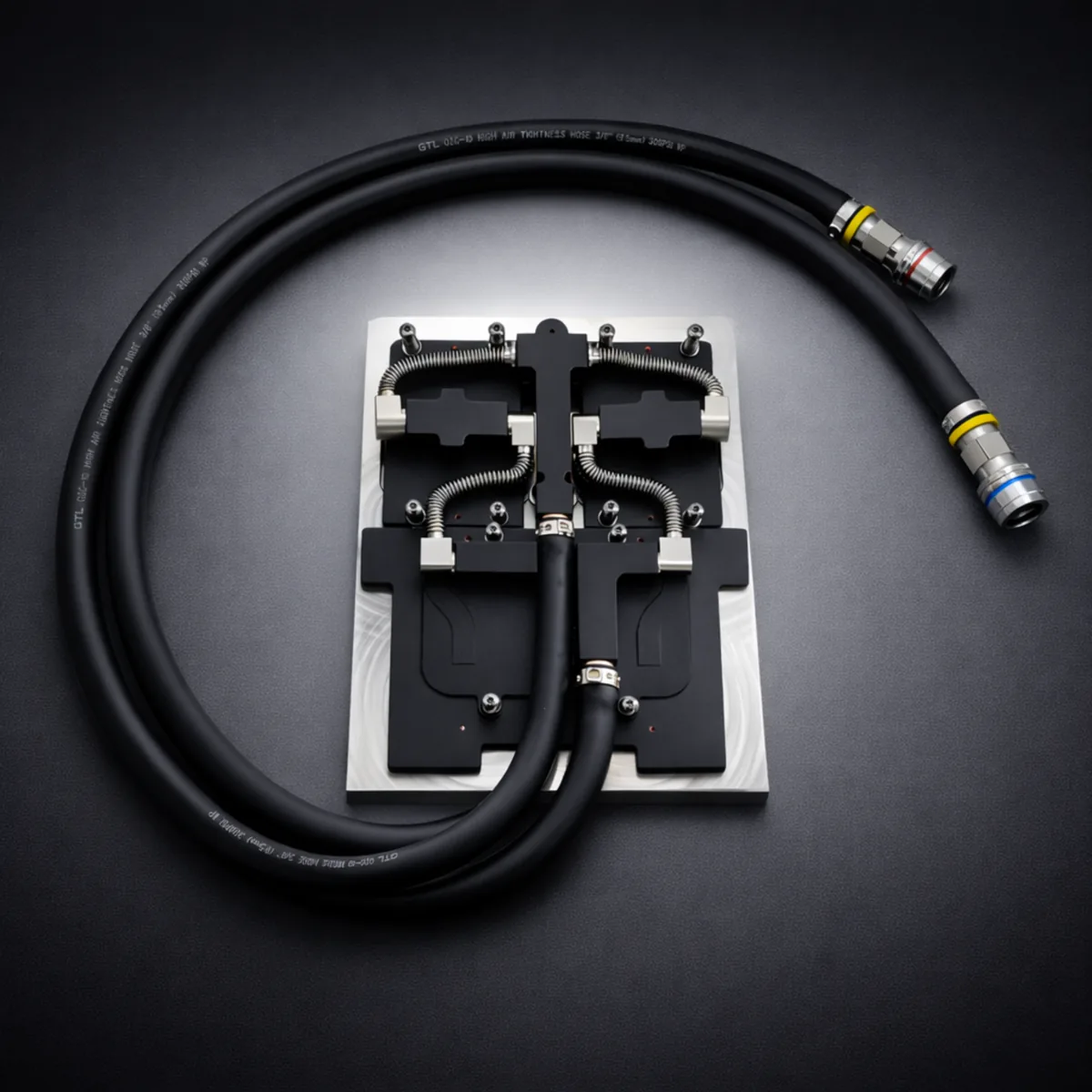
GPU Cold Plates
Direct-to-chip GPU cold plates for AI server racks.
View GPU →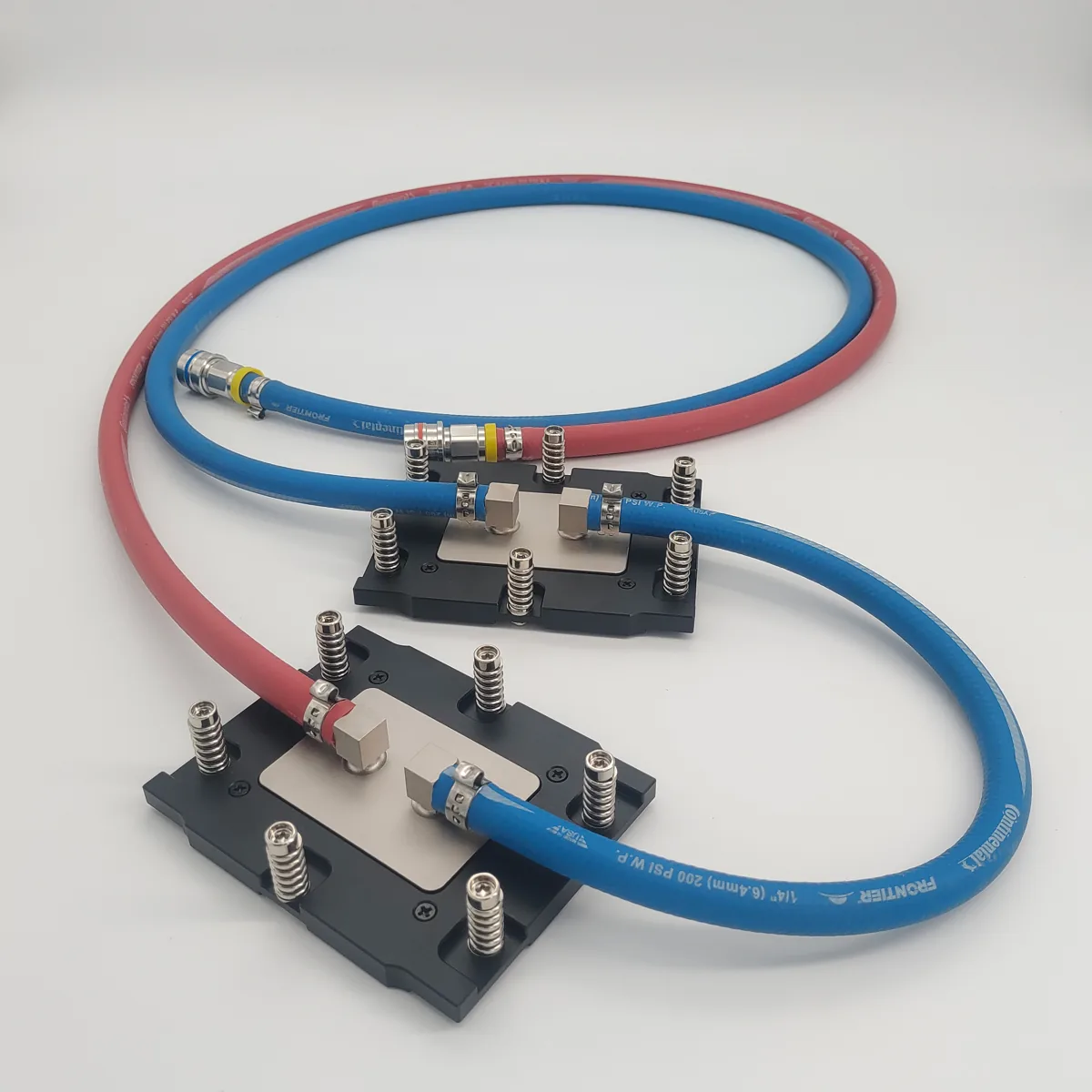
Server CPU Cold Plates
Copper direct-to-chip cold plates for server CPUs.
View server CPU →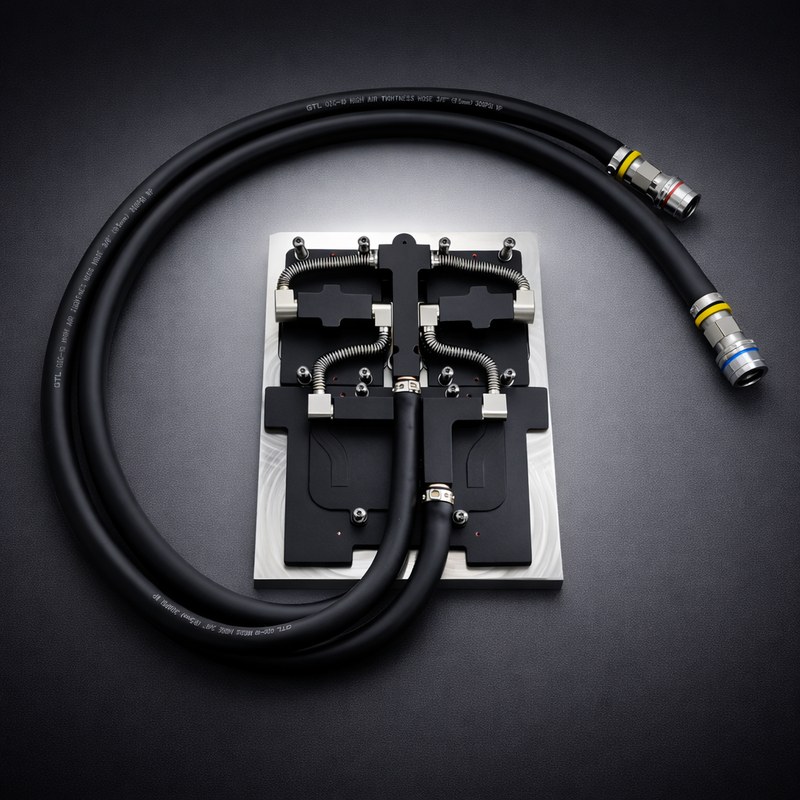
Custom Cold Plates
Full-custom cold plates engineered to your drawing.
Custom program →Ready to discuss your liquid cooling project?
An engineer reviews every RFQ and replies by email with next steps. Send drawings, specs, or a project description.
Common questions from US engineering & procurement teams
What is cold plate DFM?
Design for manufacturing — adapting cold plate geometry, walls, ports, and joining to be manufacturable, reliable, and cost-effective.
Do you offer DFM review?
Yes — ToneCooling Texas provides a DFM review with every RFQ, validated by CFD.
Which process for high heat flux?
Skived-fin or vacuum-brazed copper for high heat flux; FSW or tube-embedded aluminum for robust low-pressure plates.
How does DFM affect cost and lead time?
Early DFM avoids redesign loops, shortening lead time and lowering total cost of ownership.