Custom AI GPU Liquid Cold Plates for GB300, GB200 & H200
Built for US OEM Projects — Samples from 1 Piece, US-Hours Engineering
ToneCooling Texas LLC helps US OEM teams source custom liquid cold plates with US-hours DFM review, engineer-reviewed RFQ coordination, and production through ToneCooling's Huizhou liquid cooling facility.
- 2D or 3D drawings
- Heat load and heat source map
- Coolant, flow rate, and pressure drop limit
- Envelope, mounting, and port layout
- Material and joining preference
- Prototype quantity and annual volume
For faster review, send 2D or 3D drawings, heat load, coolant type, flow rate, pressure drop limit, envelope constraints, material preference, prototype quantity, and annual volume.
ToneCooling Texas LLC is your North American partner for custom liquid cold plate programs — providing US-hours DFM engineering, engineer-reviewed RFQ replies, prototype coordination, IP protection under US contract, and optional US-side invoicing. Manufacturing is delivered through our 30,000 m² ISO 9001:2015 / IATF 16949-aligned facility in Huizhou, China (since 2004).
Custom thermal solutions, by application
Reference designs and full-custom programs across the four application areas where North American OEMs face the toughest thermal constraints today.
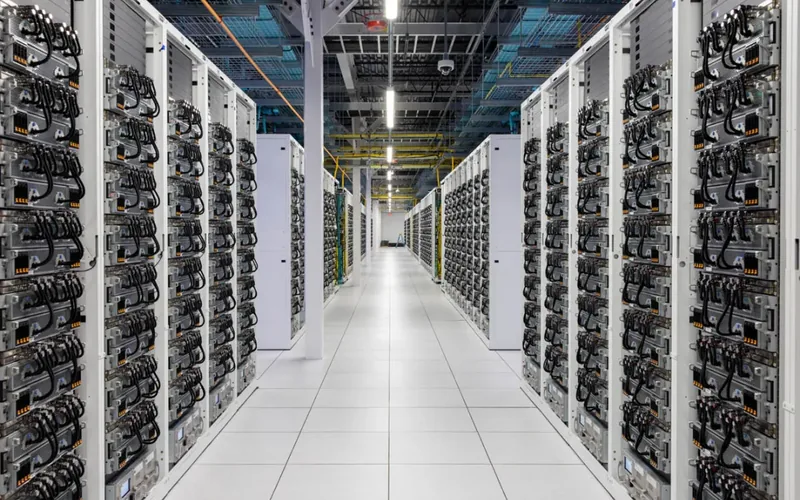
Custom GPU Server Cold Plates
Direct-to-chip cold plates for NVIDIA GB300, GB200, H200 and H100 trays, plus custom GPU and CPU layouts for hyperscale and colocation AI servers.
Custom GPU server cold plates →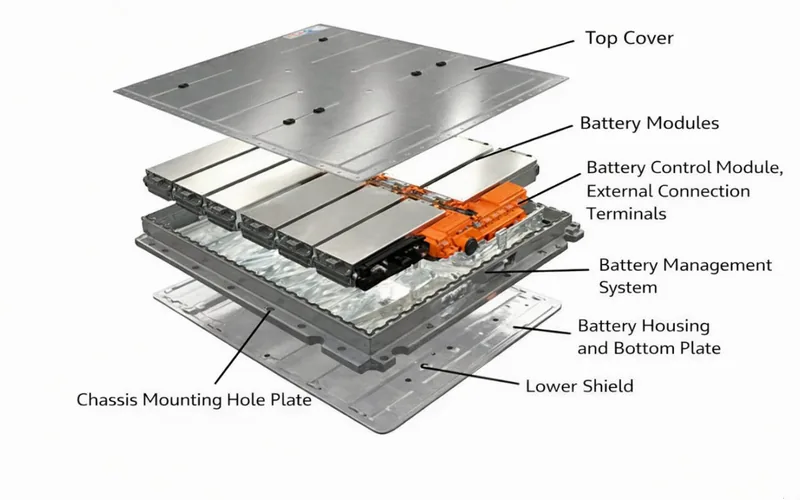
EV Battery & BESS
Stamped-brazed and tube-embedded cold plates for cell-level thermal uniformity (target ΔT ≤ 5 °C). IATF 16949-aligned automotive process, PPAP capability, and long-cycle reliability for EV pack and grid-scale BESS deployments.
Explore EV cooling →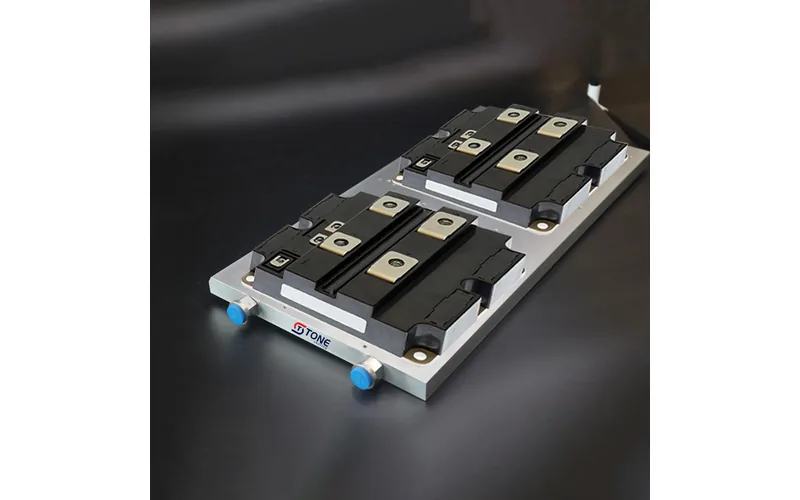
Power Electronics
FSW pin-fin and vacuum-brazed plates for IGBT and SiC power modules — drives, inverters, rail traction systems, and grid converters. Optimized for high heat-flux density and ripple thermal cycling.
Explore power cooling →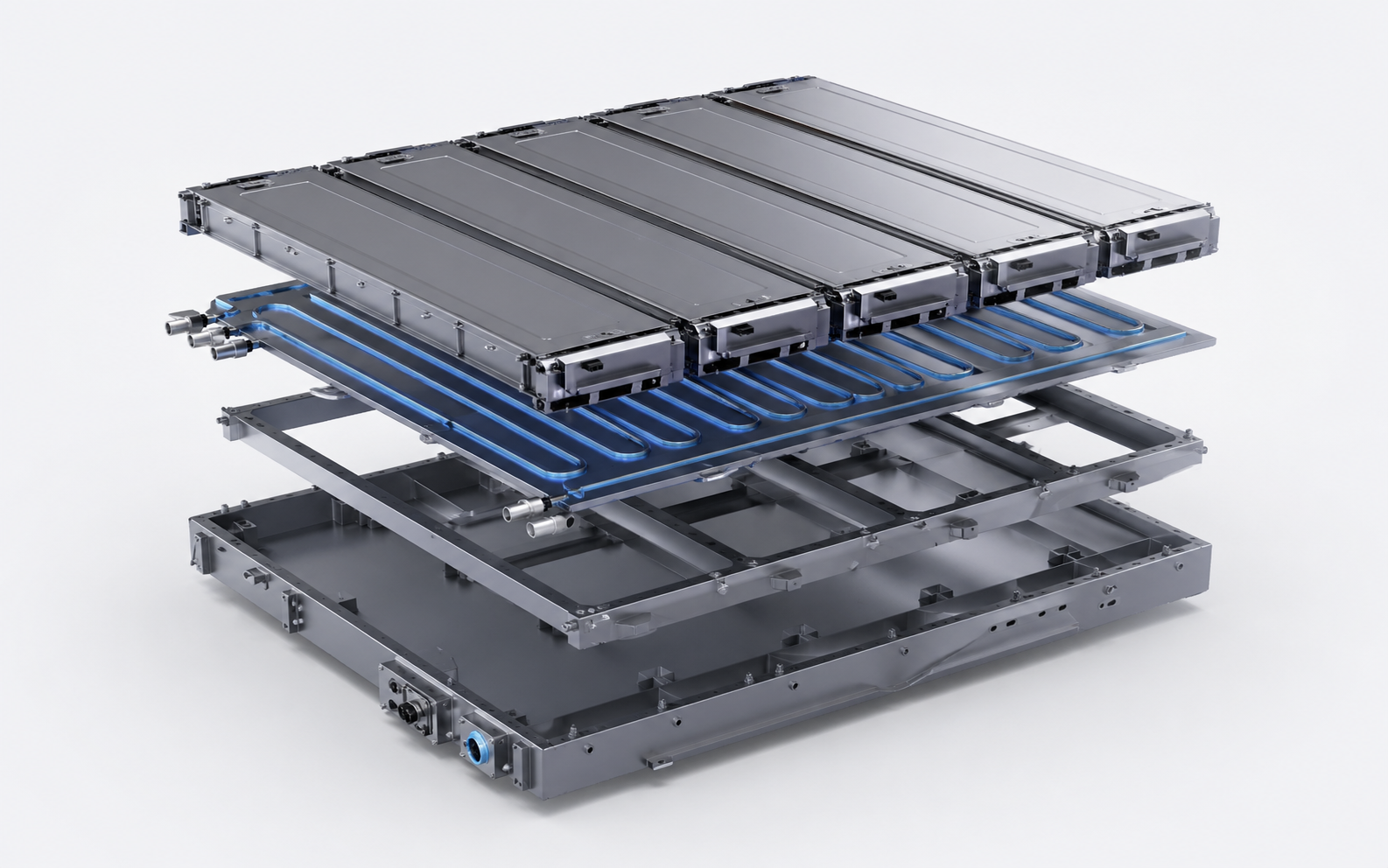
eVTOL Battery Cold Plates
Lightweight aluminum stamped-brazed and FSW cold plates for eVTOL and urban air mobility battery packs. Engineered for high C-rate (5C–10C) cycling, <5 °C cell-to-cell ΔT, vibration/shock resilience, and serialized lot traceability for aerospace programs.
Explore eVTOL cooling →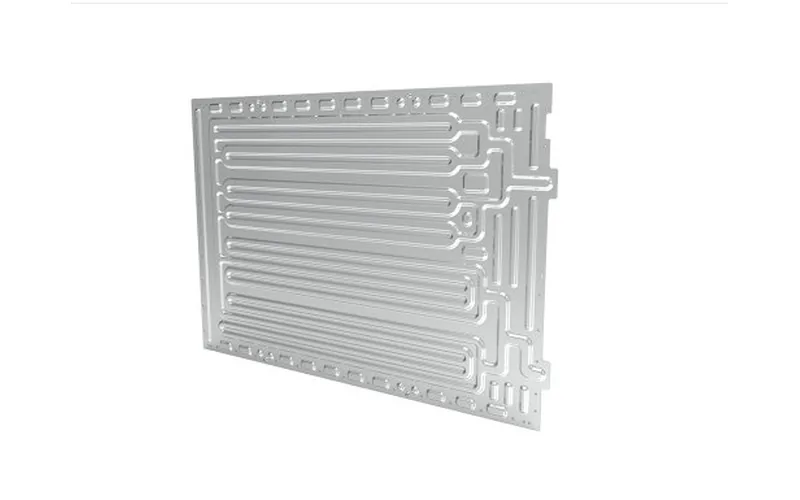
Energy Storage Systems
Modular cold plates and manifold assemblies for grid-scale battery energy storage. UL 1973-aware design practices and IEC 62619-aware safety considerations for containerized deployments.
Explore ESS cooling →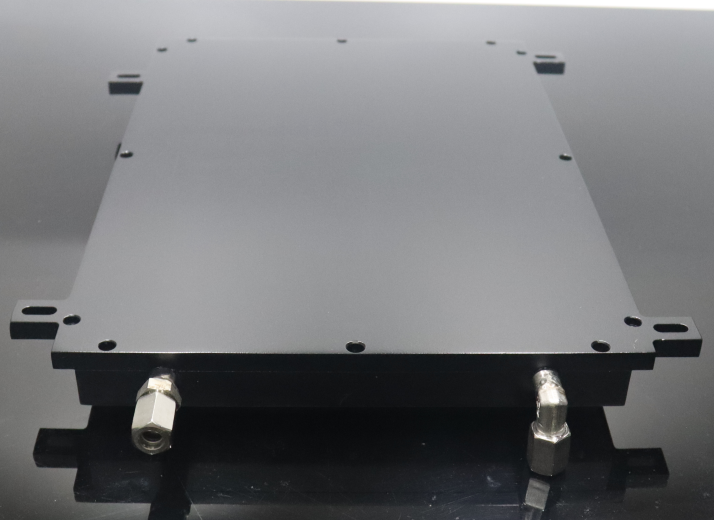
Industrial Cold Plate
Custom liquid cold plates for fiber and CO₂ laser sources, semiconductor process tools, CT/MRI gradient coils, induction welders, and factory automation drives. CFD-validated channels in copper or aluminum, copper micro-channel down to 0.3 mm, custom samples from a single piece, prototypes typically in 4–6 weeks with 100% helium leak and CMM inspection.
Explore industrial cooling →Five reasons North American engineering teams choose ToneCooling
The core engineering and commercial advantages that matter when sourcing custom cold plates for production-grade thermal challenges.
A purpose-built liquid cooling factory in Huizhou
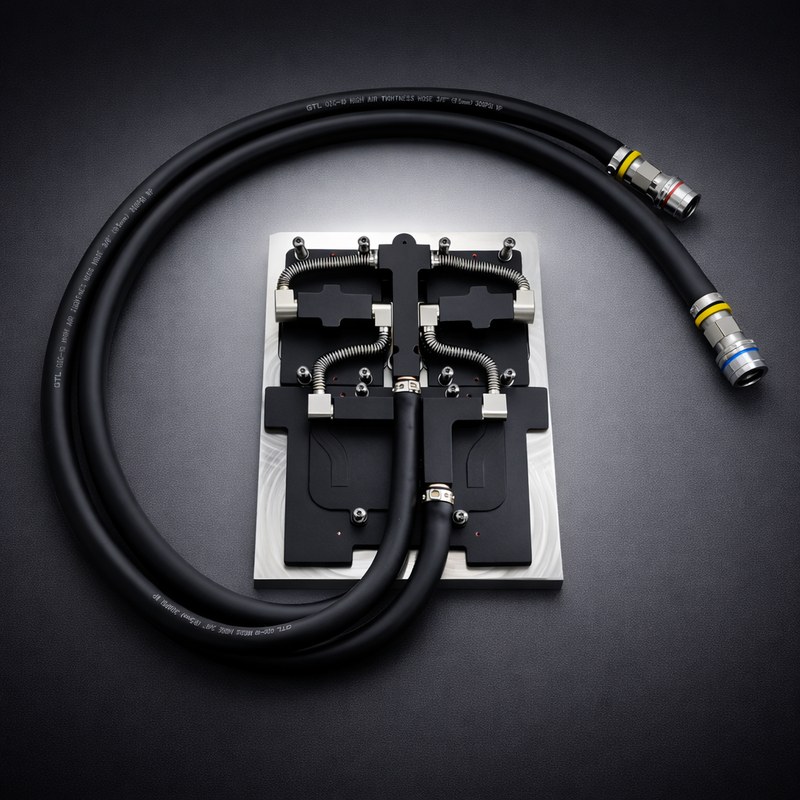
ToneCooling's 30,000 m² facility in Huizhou, Guangdong covers the full liquid cooling manufacturing stack — from CFD design simulation through skived/CNC fin generation, TLP diffusion welding, FSW, and vacuum brazing — with 100% helium leak testing and CMM inspection on every unit.
- TLP diffusion welding as a qualitative process option, confirmed at quotation (DFM review)
- FSW (friction stir welding) for high-pressure power electronics
- Vacuum brazing for complex internal channel geometries
- Stamped-brazed cost-optimized BEV battery cold plates
- Skived microchannel on Cu T2 base for direct-to-chip
- In-house CFD simulation predicts ΔP within 5% of measured
Recent engineering notes & technical resources
Notes from the engineering team on real cold plate design, validation, and manufacturing topics. New entries published as projects close.
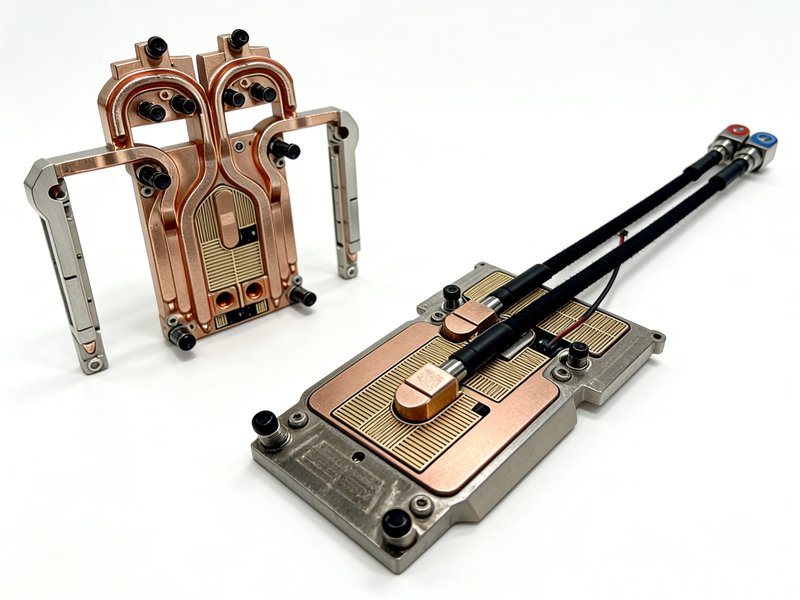
TLP diffusion welding vs. vacuum brazing for cold plates
Engineering comparison of joint integrity, pressure rating, flux contamination risk, and cost — and when to choose which for AI server vs. power electronics applications.
Read the note →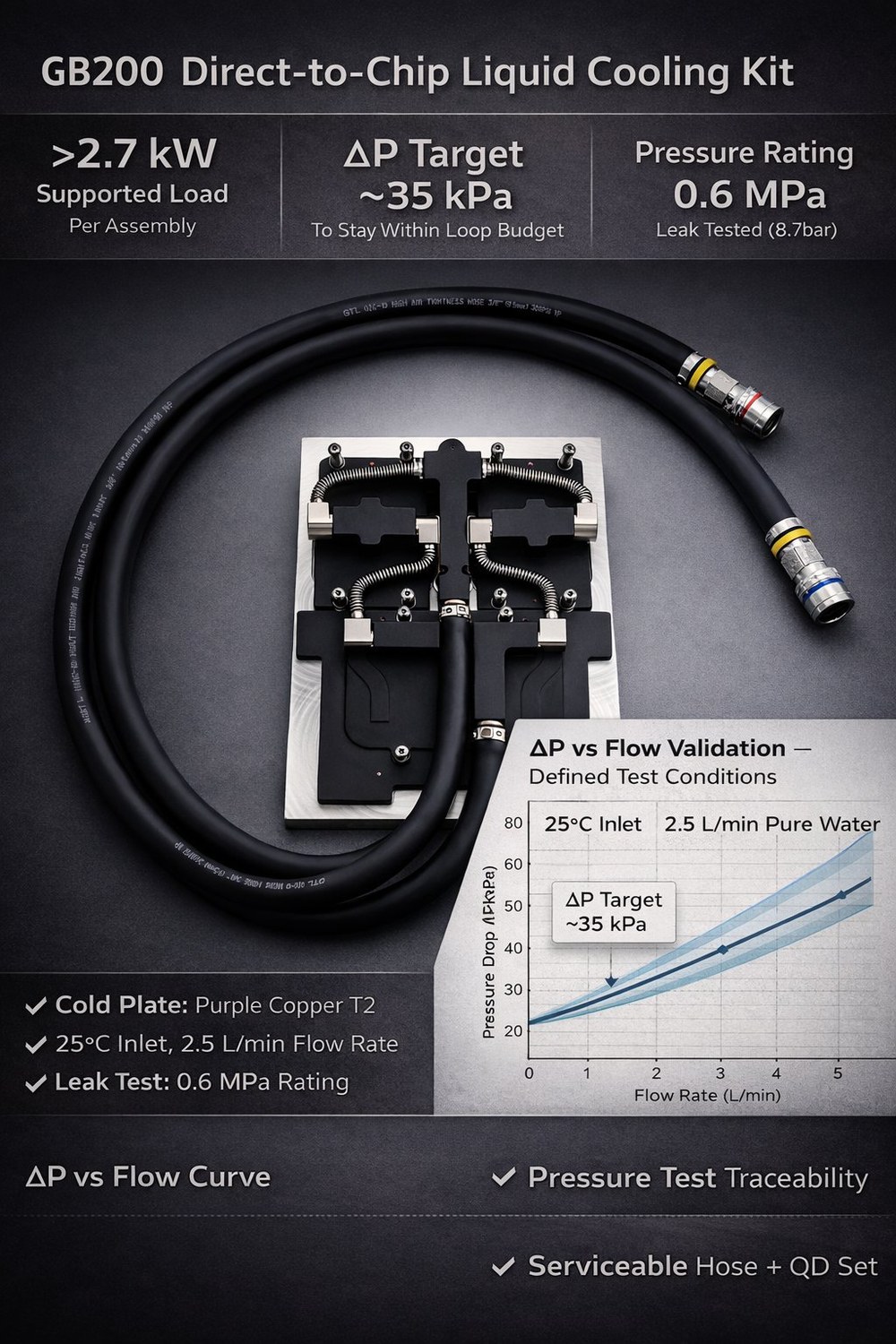
GB200 cooling kit ΔP vs. flow validation under defined conditions
Pressure drop characterization for the GB200 GPU+CPU integrated cooling kit, measured at 25 °C inlet with pure water across 1–5 LPM flow range. Includes target band envelope.
Read the note →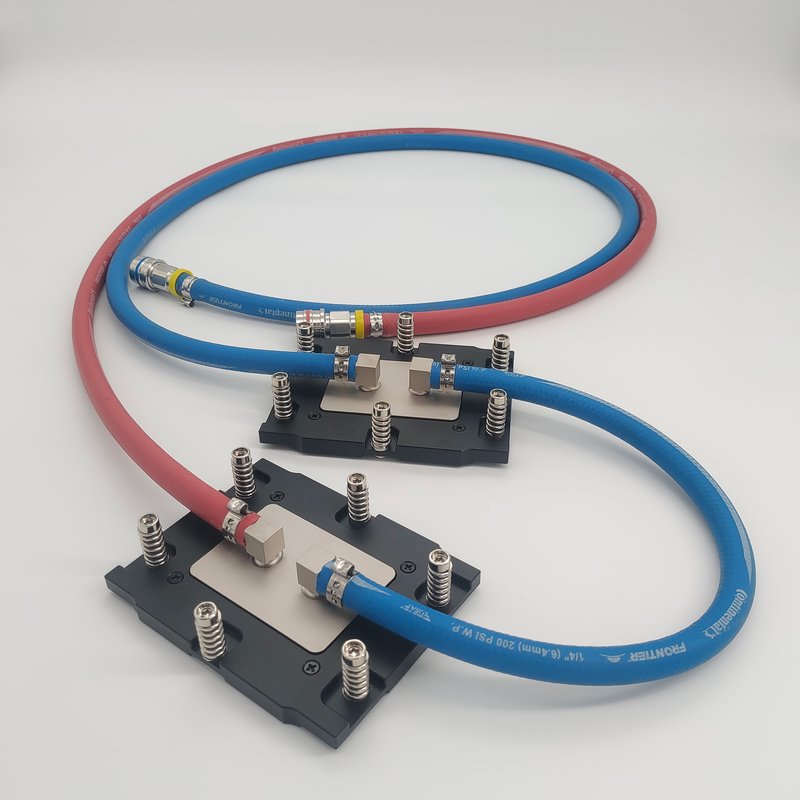
UQD quick-disconnect selection for cold plate assemblies
Selection criteria for UQD02 vs. UQD04 quick disconnects, with notes on EPDM hose compatibility, dry-break performance, and pressure ratings for AI server and rack-level applications.
Read the note →Common questions from engineering and procurement teams
What is a liquid cold plate?
A liquid cold plate is a thermal management component that transfers heat from electronic components to a circulating coolant fluid (water, glycol mixture, or dielectric fluid). ToneCooling manufactures custom liquid cold plates using TLP diffusion welding, vacuum brazing, and tube-embedded processes for AI servers, EV batteries, and power electronics. ISO 9001 certified.
Where does ToneCooling actually manufacture cold plates?
All ToneCooling cold plates and vapor chambers are manufactured at the 30,000 m² facility in Huizhou, Guangdong, China, founded in 2004. ToneCooling Texas LLC is a North American business development and engineering support office and does not manufacture. This transparent disclosure complies with FTC labeling rules.
Can I work with ToneCooling Texas LLC instead of the China entity?
Yes. ToneCooling Texas LLC supports North American B2B engagement through US-hours engineering response, RFQ coordination, and optional US-side contracting. Most projects ship FOB China by default; for projects requiring US contract execution, ToneCooling Texas LLC can serve as the contracting party (EIN 61-2341902, TX Filing 806504501).
Is ToneCooling ISO certified?
Yes. ToneCooling Technology Co., Ltd holds ISO 9001:2015 (Quality Management) certification, operates IATF 16949-aligned automotive quality processes, and applies serialized lot traceability for aerospace programs. Certificate copies are available upon RFQ submission via ToneCooling Texas LLC.
How long is the lead time for custom cold plates?
Lead time depends on volume and complexity. Prototypes typically ship in 4–6 weeks after DFM approval. Production lead time is confirmed at quotation for each project, based on design and volume. ToneCooling Texas LLC coordinates US logistics with DDP terms; request a quote for project-specific timing. An engineer reviews every RFQ and replies by email with next steps.
Does ToneCooling sign mutual NDAs?
Yes. Mutual NDAs are routinely executed before project discussions. A standard NDA template is available; customer NDA templates are also accepted. NDA review and execution are coordinated through ToneCooling Texas LLC before any drawing review.
What is the difference between TLP diffusion welding and vacuum brazing?
TLP (Transient Liquid Phase) diffusion welding produces near-base-metal joint integrity at lower temperatures than traditional brazing, with no flux contamination — ideal for high-reliability AI server and aerospace applications. Vacuum brazing uses molten filler metal at 1,000 °C+ in a vacuum environment, suitable for cold plates with complex internal channels. ToneCooling operates both processes.
Ready to discuss your liquid cooling project?
Get a custom quote from the engineering team. An engineer reviews every RFQ and replies by email with next steps. Send drawings, specs, or a project description — custom samples are available from a single piece.